

About NASA’s Carbon Monitoring System and Societal Benefits
What is the NASA Carbon Monitoring System?
The NASA Carbon Monitoring System project is forward-looking and designed to make significant contributions in characterizing, quantifying, understanding, and predicting the evolution of global carbon sources and sinks through improved monitoring of carbon stocks and fluxes. The approaches developed have emphasized the use of NASA satellite remote sensing resources, computational capabilities, airborne science capabilities, scientific knowledge, and end-to-end system expertise in combination with effective use of commercial off-the-shelf measurement capabilities in order to prototype key data products for monitoring, reporting, and verification. Significant effort is being devoted to rigorous evaluation of the carbon monitoring products being produced, as well as to the characterization and quantification of errors and uncertainties in those products.
Why is NASA developing an Earth Carbon Monitoring System?
Greenhouse gas emission inventories, forest carbon sequestration programs (e.g., Reducing Emissions from Deforestation and forest Degradation (REDD and REDD+), cap-and-trade systems, self-reporting programs, and their associated monitoring, reporting and verification frameworks depend upon data that are accurate, systematic, practical, and transparent. A sustained, observationally-driven carbon monitoring system using remote sensing data has the potential to significantly improve the relevant carbon cycle information base for the U.S. and world. Work is needed to prototype and mature relevant measurement and analytical approaches for use in support of monitoring, reporting, and verification frameworks. NASA’s Carbon Monitoring System project is prototyping and conducting pilot studies to evaluate technological approaches and methodologies to meet this need.
Want to learn more about the carbon cycle?
NASA: Keeping Up With Carbon
Oct 15, 2009
NASA | A Year in the Life of Earth's CO2
Nov 17, 2014
NASA | Carbon All Around Us
Nov 20, 2015
NASA Carbon and Climate Media Teleconference
Nov 12, 2015
Oct 15, 2009
NASA | A Year in the Life of Earth's CO2
Nov 17, 2014
NASA | Carbon All Around Us
Nov 20, 2015
NASA Carbon and Climate Media Teleconference
Nov 12, 2015
Objectives
- Use the full range of NASA satellite observations, modeling/analysis capabilities, and commercial off-the-shelf technologies to establish the accuracy, quantitative uncertainties, and utility of products for supporting national and international policy, regulatory, and management activities.
- Prototype the development of carbon Monitoring Reporting and Verification [MRV] systems which can provide transparent data products achieving levels of precision and accuracy required by current carbon trading protocols.
- Harness unique capabilities of NASA centers and the NASA-funded investigator community, making use of competitive peer review wherever possible.
- Rapidly initiate generation and distribution of products, both for evaluation and to inform near-term policy development and planning.
- Engage with, and contribute to, related U.S. and international stakeholders and agencies.
The Goal of the NASA Carbon Monitoring System
The goal for NASA’s Carbon Monitoring System project is to prototype the development of carbon monitoring capabilities needed to support U.S. needs for monitoring, reporting, and verification. To meet this goal, NASA leverages the best available remote sensing observations, supporting in situ observations, process understanding, and models to consistently and transparently advance carbon monitoring, reporting and verification, including the identification and attribution (to sources/causes) of important carbon stocks and fluxes. NASA’s Carbon Monitoring System project aims to provide an improved understanding of uncertainty across multiple scales, with a particular focus on developing a capability for providing well-characterized, quantitative information about carbon in areas of rapid change and policy relevance. Through user engagement activities, the NASA CMS project will take specific actions to be responsive to the needs of stakeholders working to improve monitoring, reporting and verification frameworks.
Successes and Benefits to Society
There are multiple carbon monitoring, reporting, and verification frameworks in existence, reflecting a diversity of spatial scales, governing bodies, and relevant policies. Three major frameworks include:
- improving forest carbon inventory data to support the United Nation’s (UN) REDD and REDD+ program (in developing nations, primarily in the pan-tropics) and other carbon management projects (in the United States and elsewhere) for land owners and countries;
- supporting National and sub-national Greenhouse Gas (GHG) inventories and regular reporting (e.g., all United Nations Framework Convention on Climate Change (UNFCCC) parties and a growing number of states and provinces); and,
- complementing various reporting systems and registries including those associated with carbon emission trading systems (aka cap and trade or carbon markets).
Success Stories
TBD
Stakeholders: people and organizations that use Carbon Monitoring System data products
Get from database list of stakeholders and how they use the data.
Stories about Carbon Monitoring Projects around the World
Image of the Day
"Below the Mangrove Canopy"
June 1, 2017
June 1, 2017

Earth Observatory picture of the day
"Mangrove Carbon With a Grain of Salt"
March 22nd, 2017 by David Lagomasino, NASA Goddard Space Flight Center & University of Maryland
March 22nd, 2017 by David Lagomasino, NASA Goddard Space Flight Center & University of Maryland
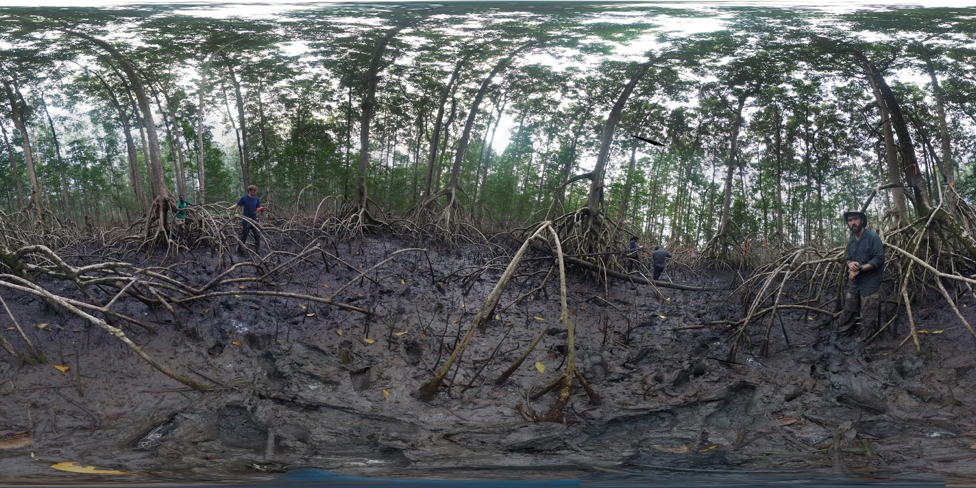
Shining a G-LiHT on an Alaskan Forest
July 27, 2016
July 27, 2016
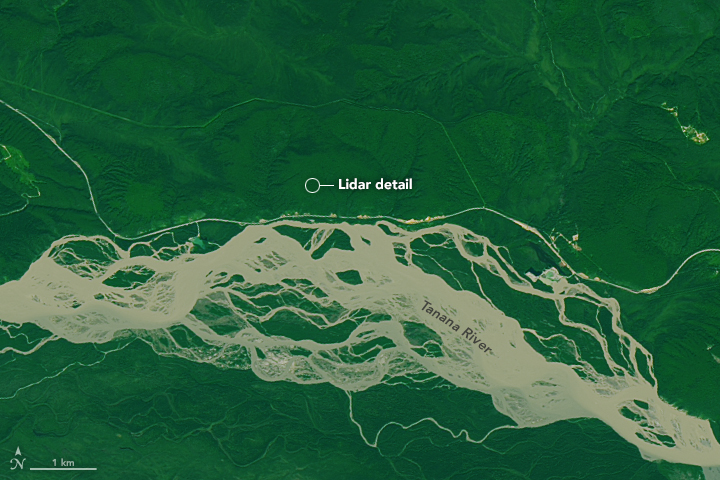
Charting MABEL’s course (Mabel elevation and G-LiHT elevation)
August 1st, 2014 by Kate Ramsayer
August 1st, 2014 by Kate Ramsayer

A Closer Look at Alaska’s Forests
July 25, 2014
July 25, 2014
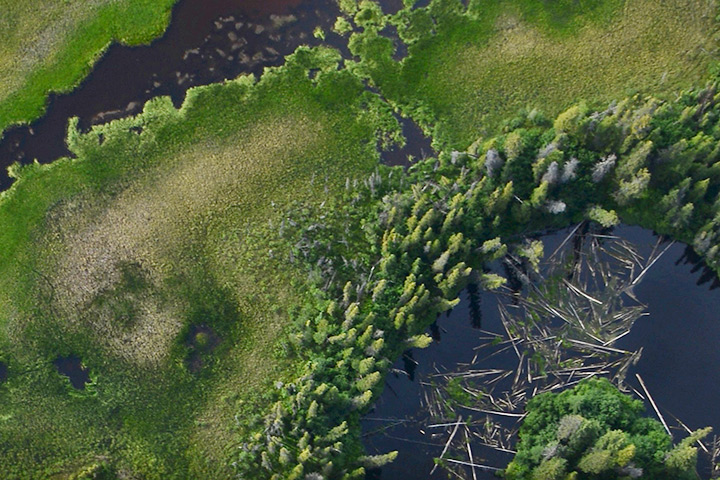
G-LiHT | Connecting the Dots
July 22nd, 2014 by Kathryn Hansen
July 22nd, 2014 by Kathryn Hansen
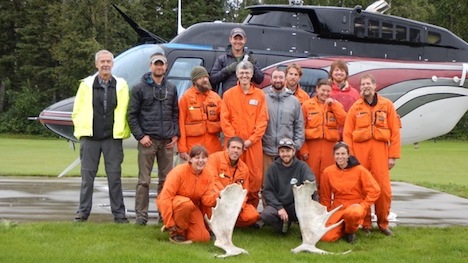
G-LiHT | A View From Above
July 21st, 2014 by Kathryn Hansen
July 21st, 2014 by Kathryn Hansen
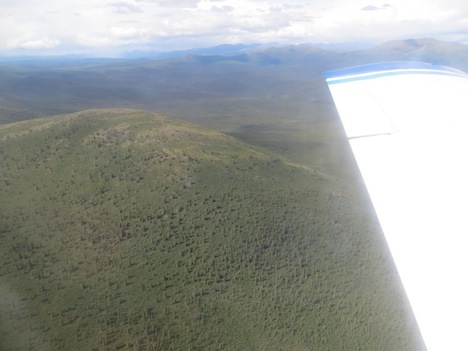
G-LiHT | Off to a Flying Start
July 17th, 2014 by Kathryn Hansen
July 17th, 2014 by Kathryn Hansen

Earth Observatory Notes from the Field
NASA’s Alaska Forest Survey Kicks Off
July 14th, 2014 by Kathryn Hansen
July 14th, 2014 by Kathryn Hansen
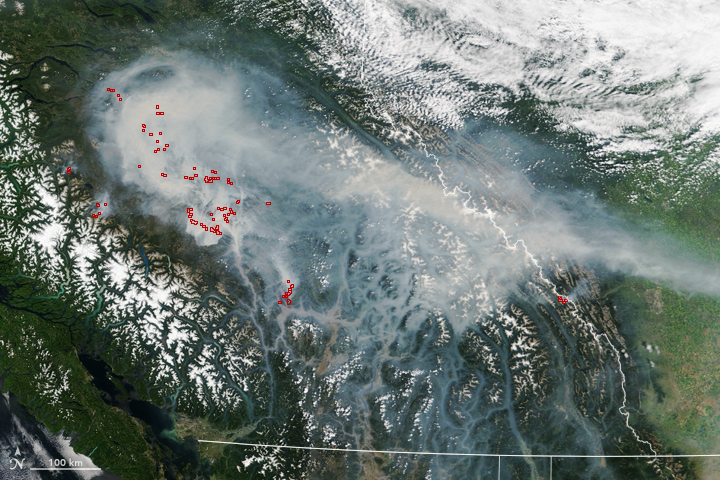
Closing the Flight Campaign
September 20th, 2011 by Joanne Howl
September 20th, 2011 by Joanne Howl
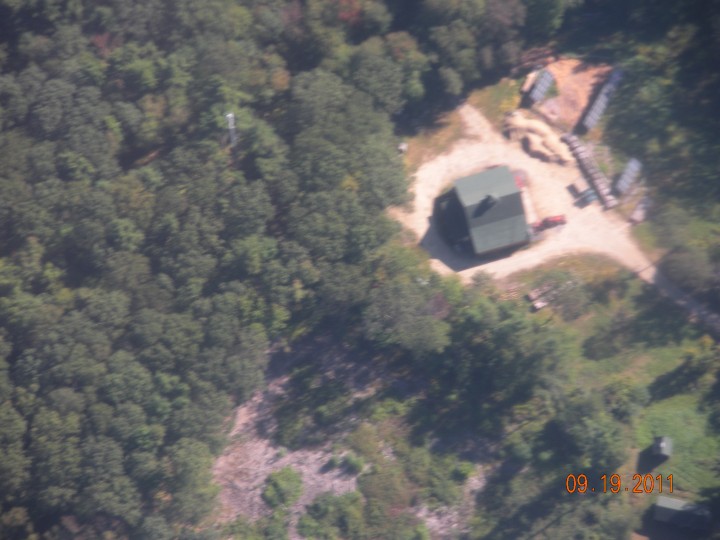
Smooth Flying
September 13th, 2011 by Joanne Howl
September 13th, 2011 by Joanne Howl

Fixing the RAID
August 24th, 2011 by Joanne Howl
August 24th, 2011 by Joanne Howl
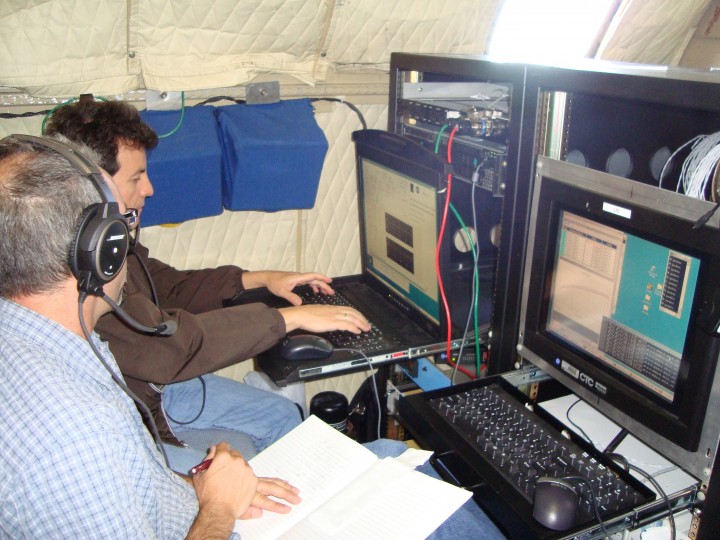
Looking Forward
August 22nd, 2011 by Joanne Howl
August 22nd, 2011 by Joanne Howl
- NASA Official: Jon Ranson
- Curator: Leanne Kendig